Εμφάνιση αναρτήσεων με ετικέτα Λίστες. Εμφάνιση όλων των αναρτήσεων

Σάββατο 22 Μαρτίου 2025

Τα βιβλία της ζωής μου

 Αφιέρωμα της Bookpress


Από «Το κοριτσάκι με τα σπίρτα» μέχρι τη «Νανά» και από τα «Ποιήματα» του Καβάφη μέχρι τη «Στέπα», αυτά είναι κάποια από τα βιβλία της ζωής του Θεόδωρου Γρηγοριάδη.

Επιμέλεια: Κώστας Αγοραστός

Το πρώτο βιβλίο που θυμάμαι

Πρώτη δημοτικού μου δώρισαν το Κοριτσάκι με τα σπίρτα του Άντερσεν, εικονογραφημένο.

andersen paramythia

Δεν έχω σπαράξει στο κλάμα πιο πολύ. Να προσέχουμε τι χαρίζουμε... στα παιδιά.

Το αγαπημένο μου βιβλίο ως παιδί

Αλέξανδρος Παπαδιαμάντης, Παιδικά διηγήματα, εκδ. Άγκυρα 1969.

papadiamantis paidika diigimata

Φυσικά επρόκειτο για διασκευές κάποιων γνωστών του διηγημάτων. Στο εξώφυλλο ο Παπαδιαμάντης σαν βιβλική μορφή και ένα καΐκι που παλεύει στα κύματα. Το είχα μάθει απέξω, ταυτιζόμουν με τα συνομήλικα παιδιά και λίγο... με φόβιζαν ορισμένες ιστορίες.

Το βιβλίο που σημάδεψε την εφηβεία μου

Μέχρι την τρίτη γυμνασίου είχα διαβάσει πολλά λογοτεχνικά βιβλία και έγραφα σύντομες «κριτικές» στο προσωπικό μου ημερολόγιο.

zola nana

Η Νανά του Εμίλ Ζολά με είχε ταράξει με την τολμηρότητά της· τη διάβαζα κρυφά με ευχαρίστηση σε μια εποχή χούντας και κατηχητικού. Πρέπει να ήταν εκδόσεις Δαμιανός 1970.

Το βιβλίο που επηρέασε τη σκέψη μου

Τα ποιήματα του Κ.Π. Καβάφη.

kavafis poiimata

Το 1974 αγόρασα, πρωτοετής φοιτητής στη Θεσσαλονίκη, τον σκληρόδετο τόμο του ΙΚΑΡΟΥ με τα δύο βιβλία μαζί και το κορδόνι σελιδοδείκτη – παραμένει βιβλίο φετίχ στη βιβλιοθήκη μου. Στοίχιζε 180 δραχμές, σεβαστό ποσό για το ισχνό πορτοφόλι μου. Στην σχολή διαβάζαμε τον Καβάφη με τον Γ.Π. Σαββίδη που είχε επιμεληθεί φιλολογικά την έκδοση. Αυτά που ξεπήδησαν από την (τακτική έκτοτε) μελέτη του ήταν πρωτόγνωρα για έναν δεκαοκτάχρονο. Επιφοίτηση, επιφώτιση – για πάντα.

Το βιβλίο που με έκανε να θέλω να γίνω συγγραφέας

Τα μυθιστορήματα που διάβασα στην Αγγλική φιλολογία μου έδειξαν αφηγηματικούς τρόπους: Η Μύριελ Σπαρκ, ο Τζόζεφ Κόνραντ, η Βιρτζίνια Γουλφ, ο Χέρμαν Μέλβιλ. Όμως τα διηγήματα του Γιώργου Ιωάννου, όπως Η μόνη κληρονομιά, μου πρόσφεραν την ελληνικότητα της γλώσσας, το δικό μας αίμα.

ioannou i moni klironomiaioannou diko mas aima
  

Έτσι, εικοσάχρονος, προσπάθησα να τον μιμηθώ γράφοντας για πρώτη φορά διηγήματα-δοκιμές.

Το βιβλίο που ξαναδιαβάζω

Κάθε καλοκαίρι διαβάζω εναλλάξ την Οδύσσεια ή την Ιλιάδα σε διαφορετικές μεταφράσεις.

omyros odysseiaomyros iliada
  

Και κάθε φορά ξεπηδάει το διαχρονικό μεγαλείο του Ομήρου. Τα έχω συνδέσει τόσο πολύ με το ελληνικό καλοκαίρι σαν ειδωμένο μέσα από ελληνολάτρη Ζακ Λακαριέρ.

Το βιβλίο που χαρίζω

Τα διηγήματα του Τσέχοφ. Και ειδικά τη Στέπα.

chehov stepa

Δεν υπάρχει αναγνώστης που θα τα διαβάσει χωρίς να τον αγγίξουν. Λόγος ουσιαστικός, απροσποίητος, συμπυκνώνει όλη την ανθρώπινη διάσταση.

Το βιβλίο που άργησα να ανακαλύψω

Το Υπόγειο του Ντοστογιέφσκι αν και είχα διαβάσει τα ογκώδη του μυθιστορήματα.

dostojefski to ypogeio

Το τελείωσα πρόσφατα μέσα σε μια μέρα, το ξαναδιάβασα μια εβδομάδα μετά και σκοπεύω να ξανακατέβω στο συνταρακτικό υπόγειο της γραφής του.

Το βιβλίο που ντρέπομαι να λέω ότι έχω διαβάσει

Συνήθως δεν έχω τέτοιου είδους ντροπές... Προσέχω!

Το βιβλίο που διαβάζω τώρα

Stranger than Fiction: Lives of the Twentieth-Century Novel (2024) από τον Edwin Frank εκδότη της περίφημης λογοτεχνικής σειράς New York Review of Books Classics series.

frank Stranger than Fiction

Επαναπροσεγγίζει το μυθιστόρημα του 20ου αιώνα επιλέγοντας τριάντα τρία βιβλία εκ των οποίων μόνον τέσσερα είναι αμερικανικά. Δεν χρειάζεται να συμφωνείς πάντα μαζί του αλλά μιλάει πολύ απλά και μακριά από αυτάρεσκες ακαδημαϊκές αναλύσεις.


Λίγα λόγια για τον συγγραφέα

Ο Θεόδωρος Γρηγοριάδης γεννήθηκε στο Παλαιοχώρι Παγγαίου Καβάλας το 1956. Σπούδασε Αγγλική Φιλολογία στο Πανεπιστήµιο της Θεσσαλονίκης και δίδαξε αγγλικά στη δηµόσια εκπαίδευση. Έχει γράψει δώδεκα µυθιστορήµατα, τέσσερις συλλογές διηγηµάτων, µία νουβέλα, ένα αφήγηµα και έναν σκηνικό µονόλογο. Η Ζωή µεθόρια τιµήθηκε µε το Κρατικό Βραβείο Μυθιστορήµατος 2016. Το Τραγούδι του πατέρα βραβεύτηκε το 2019 µε το Βραβείο «Νίκος Θέµελης» του λογοτεχνικού περιοδικού Ο αναγνώστης και η Νοσταλγία της απώλειας µε το Βραβείο Διηγήµατος του ίδιου περιοδικού το 2023. Το µυθιστόρηµα Αλούζα, χίλιοι και ένας εραστές µεταφράστηκε στα αραβικά (2017), η συλλογή διηγηµάτων Γιατί πρόδωσα την πατρίδα µου στα δανέζικα (2021) και η συλλογή διηγηµάτων Η νοσταλγία της απώλειας στα γαλλικά (2024). Είναι µέλος της Εταιρείας Συγγραφέων. Τελευταίο του βιβλίο, το μυθιστόρημα Ελσίνκι (εκδ. Πατάκη).

pataki grigoriadis elsinki


Δευτέρα 17 Φεβρουαρίου 2025

Βιβλία που ξεχώρισα στον 21ο αιώνα


Δημοσιεύτηκε στο ΒΗΜΑ της Κυριακής 16 Φεβρουαρίου 2025

Γράφω για τις ΕΥΜΕΝΙΔΕΣ του Τζόναθαν Λίτελ, τον ΑΝΘΡΩΠΟ ΠΟΥ ΑΓΑΠΟΥΣΕ ΤΑ ΣΚΥΛΙΑ του Λεονάρδο Παδούρα και τη ΓΡΑΜΜΗ ΤΗΣ ΟΜΟΡΦΙΑΣ του Άλλαν Χόλινγκερστ.


Κυριακή 12 Ιανουαρίου 2025

Stranger than Fiction: Lives of the Twentieth-Century Novel βυ Edwin Frank


In search of a new 20th-century canon


By John Mullan

The photo of the author on the jacket of Stranger Than Fiction tells you something. Edwin Frank sits at a small desk, entirely hemmed in by overflowing bookshelves and teetering stacks of books. His reading glasses have been pushed back on his head, so that he can meet your gaze; you have interrupted him in the engrossing business of reading, reading, reading. Stranger Than Fiction is testimony to its author’s sheer appetite for books, and especially for 20th-century fiction at its most testing and ambitious. His article of faith is that the most demanding novels are often the most satisfying.


Frank is the editorial director of the New York Review of Books, and founder of the NYRB Classics series, which specialises in reprints and new translations of often neglected literary “classics” (or should-be classics), especially of the 20th century. It is telling that he became known for championing John Williams’s novel Stoner, reissued as a NYRB Classic in 2005, exactly 50 years after its first publication. Stoner is the story of a man who gives his life up to the love of great literature, pursued despite the petty vindictiveness of managers at the university where he teaches. Frank has presided over this series of “classics” for the general reader during a period when many in American universities have become scornful of any canon of great literary works.


In Stranger Than Fiction, Frank describes his own modern canon, and, refreshingly, without worrying about what the academics might think. He tells “the story of the novel” in the 20th century, claiming inspiration from Alex Ross’s story of modern classical music, The Rest Is Noise. While including works that you would expect, like À la recherche du temps perdu and Ulysses, he offers surprising picks and many translated works. Two-thirds of the novels were originally written in a language other than English. In many cases he is advocating works that he does not expect his reader to know, yet.


In his introduction, Frank recognises that his is “a story of translation in the largest sense, not only from language to language and place to place but more broadly as the translation of lived reality into written form, something the expansive and adaptable form of the novel had from the start been uniquely open to”. For most Anglophone readers, there will be unknown texts recommended here. Frank is an enthusiast for the Austrian Alfred Kubin’s The Other Side, the Brazilian Machado de Assis’s The Posthumous Memoirs of Brás Cubas and the Japanese Natsume Sōseki’s Kokjoro. The only American writers who make the cut are Gertrude Stein (for Three Lives, her odd group of fictional biographies of American women), Ernest Hemingway and Ralph Ellison. (And Vladimir Nabokov, if you want to count him as American.) No Fitzgerald, Dos Passos, Faulkner, Steinbeck, Baldwin, Updike, Pynchon, Morrison, Roth.


The unexpectedness of some of Frank’s choices is just what makes the book entertaining. He tackles some 32 novels, in a series of case studies, starting the 20th century not with, say, Joseph Conrad or Henry James, but with HG.Wells’s The Island of Doctor Moreau and André Gide’s The Immoralist. He gives rapt attention to Rudyard Kipling’s Kim, acknowledging that the author “sought in empire a refuge from a dangerous and fractured world”, but relishing “its language dense, plastic, encrypted, and alive”. He even half-convinces you that Kipling’s polyglot English, full of the babble of other languages, “anticipates the murmurous, echoic dream language of Finnegans Wake”. The work with which he brings the 20th century to its end is VS Naipaul’s autobiographical novel about his life in the Wiltshire countryside, The Enigma of Arrival.


But, except as a chronological fact, is there such a thing as “the 20th-century novel”? To demonstrate that there is, we start with Dostoevsky’s Notes from Underground, first published in 1864. According to Frank, Dostoevsky’s sour, utterly disenchanted, self-disgusted monologue, is the first 20th-century novel, avant la lettre. This “unclassifiable” work is “written and rewritten time and time again in the century to come”. It is “the voice of the 20th-century novel”. Take it or leave it: Frank does not much argue for this proposition, but throughout the rest of his book, he will think that he hears echoes of Dostoevsky’s cynical narrator in the oddest places.


Generous, catholic, undogmatic, this is a vindication of novels that push at the boundaries of what fiction can or should do. (There is no room here for the thought that novelistic pretensions might be absurd or disastrous.) The novels chosen are relished for unsettling or upsetting the discerning reader. Indeed, by this account, many of them unsettled or upset the novelists who wrote them. In an epilogue, we peep into the 21st century with WG Sebald’s Austerlitz, published in 2001, but Frank seems to think that there have been “no remarkable changes to the form of the novel” in recent decades.

So, what was “modern” is now past. The clinching phrases that Frank uses to celebrate this fiction’s thoroughly modern resistance to neatness or closure tend to be interchangeable. The Magic Mountain is “a book of studiously opposed contraries”; Sōseki’s Kokoro is “a book of urgent irresolution”; all Lawrence’s fiction is “essentially provisional, unfinished”; Musil’s The Man without Qualities  is “an infinite scaffolding around an unbuildable house”. His summarising judgements tend to be once resonant and indistinct: The Enigma of Arrival is “haunted by its precursors, haunted by itself and above all by the fear of not being itself – a fear it shares with so many of its precursors”.


In Frank’s chronological progress through his list of great novels, there is little attempt to trace influences. This is not really a history, which would involve the tracing of impressions and reactions. Frank does this only rarely. We do get Virginia Woolf reading Ulysses, reacting with exasperation and some disgust, but then going back to it for ideas that would shape Mrs Dalloway. Usually, however, when he spies a connection between two of his novels, it is a passing notion, often made in parentheses. (He likes his insights in brackets, like theatrical asides.) As he links Aureliano in Gabriel García Márquez’s One Hundred Years of Solitude, reading from the book of the mysterious gypsy Melquíades, to Marcel in Proust’s In Search of Lost Time, emerging from the library of the Prince de Guermantes, he confides, “I am not making any claim of conscious influence in any of these cases.” Connections between novels are mere impressions.


Frank calls his method “descriptive criticism”, and so it is. He includes for each novel a rapid but vivid biographical sketch of each novelist, seeing each novel rooted in the hang-ups, thwarted desires and, above all, bloody-minded ambitions of the individual novelist. For the potential bluffer, there are then some excellent plot summaries (condensing the plot of Italo Svevo’s Confessions of Zeno or Georges Perec’s Life: A User’s Manual is no easy feat). Yet Frank’s gift for summing up can lead us away from the stuff of the fiction itself. When he stoops to detail, he is at his best, but he does so rarely. His chapter on Hemingway’s In Our Time actually provides some substantial quotations from the work and then tries to analyse the forcefulness of what you have just read. We can see and hear Hemingway’s prose, “its symmetries and repetitions, checking and testing its progress”. In his chapter on DH Lawrence (the only author who is allowed two novels in Frank’s selection), we are given a couple of passages from The Rainbow that do more to illuminate Lawrence’s originality than all the critic’s eloquent advocacy on his behalf.


Proust’s achievement, we are told, was to find “a voice, a tone”, “pitched between the intimate and the impersonal” – “it is this tone that the work is, among other things, about”. But the reader does not get shown, or allowed to hear, this elusive “tone”. We are told that Mrs Dalloway is extraordinary for its use of stream-of-consciousness narration to convey “the intimacy, immediacy, and character of the self and to establish point of view, while also counterpointing the active mind with the worldly activity around it”. You must either agree or not, for there is no illustration of this. The power of One Hundred Years of Solitude is “its extraordinary musicality, the measured flow of its sentences”, but this musicality is a promise rather than a fact on the page – all the more elusive, of course, because we are dealing with translation. Frank is suspicious of what he calls “world literature” – books written in order to be translated, readily understandable anywhere – yet does not investigate what happens when everything is turned into English prose.


We end, eccentrically, with a list. Why these novels, rather than others? Frank, asks, and answers by appending the titles – headed “Other Lives of the Twentieth-Century Novel”  – of some 94 novels that he has not talked about. One might say in either praise or criticism of what he has done that you can be sure that he could have written equally well about these books too.


New Statesman 23 December 2024


Τετάρτη 23 Οκτωβρίου 2024

Todd May's 6 favorite books that offer philosophical insight


Todd May's 6 favorite books that offer philosophical insight

By The Week US|Aug. 13th, 2024

 Philosopher Todd May was an adviser for NBC's acclaimed sitcom "The Good Place" and is the author of 18 books of philosophy. His latest, "Should We Go Extinct?," explores whether Earth would be better off without human beings. 

'Memoirs of Hadrian' by Marguerite Yourcenar (1951)

The greatest novel most people have never heard of. The Roman emperor Hadrian dictates a letter to his successor, Marcus Aurelius, detailing what he has learned in life. Every line is a bit of poetry that one is reluctant to let go off. One example: "The lover who leaves reason in control does not follow his god to the end." Buy it here. 

'The Sound and the Fury' by William Faulkner (1929)

This is a book you'll read twice before you understand it, and that you'll want to read twice more when you do. The first section — fittingly, a tale told by an idiot — signals the decline of a Southern family and the transformation of the South itself. This is prose at its most intense. Buy it here. 


'In Search of Lost Time' by Marcel Proust (1913-27)

Seven volumes of the most meticulously observed human behavior in the history of literature. Following the life journey of its unnamed narrator, the novel details the character of a specific time, and the lives that inhabited it, in ways that will bring to mind people you know, and who you are. Buy it here. 


'To the Lighthouse' by Virginia Woolf (1927)

Woolf is the virtuoso of internal dialogue. A simple planned trip to a lighthouse across the way reveals the complex relationships in a family as well as the ravages of the passing of time. The husband in this novel is a failed philosopher — too close to home for me? Buy it here. 


'Invisible Cities' by Italo Calvino (1972)

In this brief but extraordinary novel, Kublai Khan and Marco Polo sit together at twilight, the latter telling the former about the cities he has visited. But the cities he describes, bearing names such as Theodora and Zaira and Euphemia, are not actual places; instead, each one captures a moment of our world in metaphor, love, or grief. The world the pair speaks of is a dream, but a dream of the real. Buy it here.

'King Lear' by William Shakespeare (1606)

The essential Shakespeare play, notwithstanding Hamlet and Macbeth being perennial contenders. Pride before the fall; unrecognized love;  Shakespearean irony; and a fool wiser than the wise men. Lear has it all. Buy it here.


Postlight Reader

A Labs project from your friends atPostlight, an NTT Data Company

Κυριακή 19 Ιουνίου 2022

Tα βιβλία του Ίαν Ράνκιν

Το αναδημοσιεύω καθώς αναφέρεται σε κάποιους συγγραφείς και βιβλία που εκτιμώ ιδιαίτερα, ειδικά στην Μuriel Spark και στον Georges Simenon.


Ian Rankin: ‘The Prime of Miss Jean Brodie is a perfect gem of a story’

The crime writer on being fascinated by A Clockwork Orange, inspired by Dr Jekyll and Mr Hyde and taking comfort in Muriel Spark’s novel

Ian Rankin
Ian Rankin. Photograph: Simone Padovani/Awakening/Getty Images

My earliest reading memory
I read children’s comics voraciously from a very young age, starting with Bimbo (aged four or five) and progressing via the Dandy and Beano to the Victor and the Hotspur. Then there were the comic strips in the Sunday Post newspaper – Oor Wullie and the Broons. I did try drawing my own comics, but wasn’t much of an artist. I do still read comics, by the way – and I credit them with being my gateway drug to literature.

My favourite book growing up
In my pre-teen years it was mostly Ladybird books and Enid Blyton. I don’t remember ever reading Winnie the Pooh or Thomas the Tank Engine, and didn’t encounter Dr Seuss until I was a parent myself. The only real books I kept and returned to were the comics’ Christmas annuals. I was also a sucker for TV tie-ins, so would have annuals based on the Gerry Anderson shows (Joe 90; Captain Scarlet) or Dr Who or The Persuaders!.

The book that changed me as a teenager
A Clockwork Orange by Anthony Burgess. I was 14 or 15 when I read it. A whole bunch of pulp paperbacks with titles such as Skinhead or Suedehead used to be passed around the school playground, but I felt that A Clockwork Orange was of a different order of merit. It felt very literary to me. There was a moral purpose to it; the language was fascinating. While my friends were hanging around street corners waiting for trouble, I would be sequestered in my bedroom, writing stories influenced by Burgess’s short sharp novel.

The writer who changed my mind
Joseph Heller, especially for Catch-22, which I studied at secondary school. I was the “clever one” in my family and destined to be the first to attend university. My parents thought that accountancy would be a good subject to study, as there would be a decent career at the end of it. But I was falling in love with the world of books, and Catch-22 made me want to study American literature. I persuaded them that I should study literature at Edinburgh University.

The author who made me want to be a writer
William McIlvanney was a huge influence on me in my early 20s. He came from a similar background and wrote exquisitely about the world around him. He had won the Whitbread prize in 1975 for his novel Docherty, but he also wrote crime fiction. I saw that crime was a way of dissecting society and its varied problems, discussing big themes while being entertaining and thrilling. In 1985 at the Edinburgh book festival I pressed my copy of Docherty into McIlvanney’s hand, explaining that I was in the process of writing about Edinburgh the way he wrote about Glasgow in his Inspector Laidlaw novels. He inscribed my book “Good luck with the Edinburgh Laidlaw”.

The author I came back to
Robert Louis Stevenson. I tried reading Kidnapped and Treasure Island in my teens, but only really warmed to their creator later, coming to realise what an extraordinary talent he was. Dr Jekyll and Mr Hyde has been a big influence on my crime fiction, tackling as it does the question of why we humans can so often become inhuman.

The book I reread
A Dance to the Music of Time by Anthony Powell. I was given the first three volumes one birthday while still a student. I found it hard going at first, because its world of privilege didn’t resonate with me, but I persevered, mostly because of the poised elegance of the prose, and fell under its spell. I read it again during the first Covid lockdown and enjoyed it all over again. Widmerpool is one of the great creations of the 20th century, and shows how a buffoon can rise to prominence and become a monster of sorts.

The book I could never read again
I was a fan of adventure stories when I was in my teens and Alistair MacLean was a favourite. A few of his best books still hold up but many now seem clunky and dated, though if the film of Where Eagles Dare ever pops up on TV, I find myself glued to it.

The book I discovered later in life
The Snow Was Dirty by Georges Simenon. I read this only a year or so ago and was blown away by it. If you only know Simenon for his Maigret novels, this may come as a revelation. It is the chilling account of a venal young man in second world war France who is eventually imprisoned by the Nazis. We start off despising him and end up rooting for him. It led me to other “romans durs” by Simenon. He was a great writer.

The book I am currently reading
The Voids by Ryan O’Connor. It’s a novel about a young man in Glasgow whose life is spiralling downwards, told in almost hallucinogenic prose. I catch glimpses of Alexander Trocchi and William Burroughs in it, but it retains its own unique quality.

My comfort read
Muriel Spark’s The Prime of Miss Jean Brodie. It’s such a perfect gem of a story, morally complex, harrowing, funny, and featuring the most charismatic anti-hero in Scottish literature. Plus you can read it in a day.

Τρίτη 13 Απριλίου 2021

NYPL World Literature Festival

Η Δημόσια Βιβλιοθήκη της Νέας Υόρκης σε δύο λίστες προτείνει εξαιρετικά βιβλία της παγκόσμιας λογοτεχνίας


       25 essential translated titles 

Top Checkouts in World Languages .

     See also the official press release about the festival.

Σάββατο 10 Απριλίου 2021

10 βιβλία που σημάδεψαν τη ζωή μου


Στο περιοδικό ΤΑΧΥΔΡΟΜΟΣ, το 2009, εξήντα Έλληνες συγγραφείς επέλεξαν τα αγαπημένα τους βιβλία και ανέδειξαν πρώτον τον Κ.Π. Καβάφη. 


10 βιβλία που σημάδεψαν τη ζωή μου:

1. O επιτάφιος θρήνος, Γιώργος Ιωάννου

2. Η καρδιά του σκότους, Τζόζεφ Κόνραντ

3. Βάκχες, Ευριπίδης

4. Ποιήματα, Κ.Π. Καβάφη

5. Oι χτίστες, Γιώργος Χειμωνάς

6. A far cry from Kensington, Μιούριελ Σπαρκ

7. Yπόγειος κόσμος, Ντον Ντε Λίλο

8. Αιχμάλωτος του έρωτα, Ζαν Ζενέ

9. Η χλομή θέα των λόφων, Καζούο Ισιγκούρο

10. Η αληθινή ζωή του Σεμπάστιαν Νάιτ, Βλαντιμίρ Ναμπόκοφ


Επιπλέον-μετά την ψηφοφορία- μου ζητήθηκε να σχολιάσω γιατί επέλεξα τον Κ.Π. Καβάφη που βρέθηκε τελικά στην κορυφή:

«Ποιήματα» Κ.Π. Καβάφης

Διάβασα τον Καβάφη σαν ένα σύνολο ποίησης, μυθοπλασίας, ιστορίας και ήθους. Εκτίμησα τη γλώσσα του, πρωτίστως, που ελληνίζει χωρίς ποιητικισμούς και λαϊκισμούς, με μια απόσταξη αγγλικής κυριολεξίας. Την διαπολιτισμική ματιά του, τη διαχρονική θεώρηση της ιστορίας χωρίς εμμονές σε τοπικισμούς και οριοθετήσεις, πράγμα που με βοήθησε στα «Νερά της χερσονήσου». Τον ερωτισμό του, με την θλιμμένη συνενοχή, τη σιωπηλή ανάκληση περασμένων σωμάτων, την ανοχύρωτη επιθυμία μακριά από τις «διαγνώσεις» των ερωτικών γκέτο. Στο «Παρτάλι» δύο βασικοί χαρακτήρες μου διαμορφώνονται κοινωνικά, διαβάζοντας ποιήματά του. Στην «Αλούζα» ένα ολόκληρο κίνημα διανοούμενων περιφέρεται στις ερωτικές και ιστορικές καβαφικές τοποθεσίες της μεσογειακής ανατολής, έναν γεωγραφικό χώρο που εξακολουθεί να βαραίνει τις προσωπικές και μυθοπλαστικές περιπλανήσεις μου. Μα πάνω απ’ όλα: η αίσθηση της οικειότητας ότι σου χαρίζεται το έργο ενός μεγάλου δημιουργού κι εσύ το οικειοποιείσαι σαν να αφορά αποκλειστικά και μόνον σένα.


Είκοσι δύο χρονιά μετά θα πρόσθετα τον "Φαίδρο" του Πλάτωνα, την "Οδύσσεια" του Ομήρου, τον Μπόρχες, τον Τσέχωφ, τον Παπαδιαμάντη. 


Τετάρτη 31 Μαρτίου 2021

International Booker Prize longlist


Ανακοινώθηκε η μεγάλη λίστα για το φετινό International Booker Prize, δέκατρεις τίτλοι από 125 που υποβλήθηκαν.

Το πρώτο της λίστα, του David Diop κυκλοφορεί από τις εκδόσεις ΠΟΛΙΣ, "Τη νύχτα όλα τα αίματα είναι μαύρα".

  • At Night All Blood is Black, by David Diop, tr. Anna Mocschovakis

  • The Dangers of Smoking in Bed, by Mariana Enríquez, tr. Megan McDowell

  • The Employees, by Olga Ravn, tr. Martin Aitken

  • I Live in the Slums, by Can Xue, tr. Karen Gernant and Chen Zeping

  • In Memory of Memory, by Maria Stepanova, tr. Sasha Dugdale

  • An Inventory of Losses, by Judith Schalansky, tr. Jackie Smith

  • Minor Detail, by Adania Shibli, tr. Elisabeth Jaquette

  • The Pear Field, by Nana Ekvtimishvili, tr. Elizabeth Heighway

  • The Perfect Nine, by Ngũgĩ wa Thiong'o, translated by the author

  • Summer Brother, by Jaap Robben, tr. David Doherty

  • The War of the Poor, by Éric Vuillard, tr. Mark Polizzotti

  • When We Cease to Understand the World, by Benjamín Labatut, tr. Adrian Nathan West

  • Wretchedness, by Andrzej Tichý, tr. Nichola Smalley

Τρίτη 22 Δεκεμβρίου 2020

Τα βραβεία μυθιστορήματος The Athens Prize for Literature του λογοτεχνικού περιοδικού δε|κατα


Τα βραβεία μυθιστορήματος The Athens Prize for Literature, που θέσπισε το 2006 το λογοτεχνικό περιοδικό δε|κατα,  εξαιτίας των επιλογών τους, χαίρουν ιδιαίτερης εκτίμησης στον χώρο των κριτικών λογοτεχνίας, των δημοσιογράφων, των εκδοτών, των συγγραφέων, των μεταφραστών, των επιμελητών, των ανθρώπων του βιβλίου εν γένει. Εφέτος, 14η χρονιά διοργάνωσής τους, λόγω καραντίνας, δεν έγινε ζωντανή τελετή απονομής των βραβείων. Πρόκειται για βιβλία που κυκλοφόρησαν το 2019. 

Το βραβείο Ξένου Μυθιστορήματος απονέμεται στην μεξικανικής καταγωγής αμερικανίδα Valeria Luiselli για το βιβλίο της Το αρχείο των χαμένων παιδιών , σε μετάφραση από τα αγγλικά Βασιλικής Κνήτου, εκδόσεις Μεταίχμιο. H Valeria Luiselli, μία επιδέξια συγγραφέας, αφυπνισμένη κοινωνικά και πολιτικά, στο βραβευμένο βιβλίο της καταπιάνεται με μεγάλα θέματα, ανανεώνει τους σύγχρονους τρόπους αφήγησης, γνωρίζει και αξιοποιεί στο κείμενό της τις τάσεις της παγκόσμιας λογοτεχνίας, την οποία διαβάζει όχι μόνο ως συγγραφέας αλλά και ως αφηγήτρια του εαυτού της.

Το βραβείο Ελληνικού Μυθιστορήματος απονέμεται στον Ευάγγελο Αυδίκο, για το βιβλίο του Οδός Οφθαλμιατρείου, Βιβλιοπωλείον της Εστίας. Ο Ευάγγελος Αυδίκος με άψογη αφηγηματική τεχνική (μικτές διηγήσεις, ευφυής χειρισμός ιστορικού χρόνου, γλωσσικά άλματα, στοχαστικές παρατηρήσεις), επιτυγχάνει να δώσει άλλη προοπτική στη μυθιστορηματική βιογραφία συνδέοντας το λογοτεχνικό μας παρελθόν με τις προκλήσεις του.

Και τα δύο βιβλία, λαμπρά δείγματα ρεαλιστικής μυθοπλασίας, ξεχωρίζουν για τη στιλπνότητα του λόγου, την πυκνή γλώσσα, τον ποικίλο κόσμο των εννοιών και το χτίσιμο χαρακτήρων, αποκαλύπτοντας τις αντιφάσεις μέσα στις οποίες ζούμε. Bασικό κριτήριο υπήρξε η λογοτεχνικότητα και ο συνδυασμός ύφους, πλοκής, γλώσσας και περιεχομένου.

Τα βραβεία THE ATHENS PRIZE FOR LITERATURE θέσπισε το 2006 το λογοτεχνικό περιοδικό δε|κατα. Χορηγός τα εργαλεία γραφής Mont Blanc.

ΟΙ ΒΡΑΧΕΙΕΣ ΛΙΣΤΕΣ/SHORT LISTS

ΞΕΝΟ ΜΥΘΙΣΤΟΡΗΜΑ/FOREIGN NOVEL

Antonio Ferrari, To μυστικό, η αληθινή ιστορία της απαγωγής του Άλντο Μόρο, μετάφραση από τα ιταλικά Δημήτρης Μαμαλούκας. Κέδρος

Mahir Guven, Μεγάλος αδελφός, Μετάφραση από τα γαλλικά Λίζυ Τσιριμώκου. Ίκαρος

Patrick McGrath,  To φάντασμα του βεστιάριου, μετάφραση από τα αγγλικά Μιχάλης Μακρόπουλος, Μεταίχμιο

Valeria Luiselli, Το αρχείο των χαμένων παιδιών , μετάφραση από τα αγγλικά Βασιλική Κνήτου, Μεταίχμιο.

Elizabeth Macneal, Το Εργαστήριο με τις κούκλες, μετάφραση από τα αγγλικά Μιχάλης Μακρόπουλος, Ψυχογιός

Don Delillo, ZERO K, μετάφραση από τα αγγλικά Λαμπρινή Κουζέλη, Βιβλιοπωλείον της Εστίας 

Michel HOUELLEBECQ , Σεροτονίνη, μετάφραση από τα γαλλικά Γιώργος Καράμπελας, Βιβλιοπωλείον της Εστίας

Αlessandro Piperno, Εκεί που τελειώνει η ιστορία, μετάφραση από τα Ιταλικά Άννα Παπασταύρου, Πατάκης

Annie Proux. Άνθρωποι του δάσους, μετάφραση από τα αγγλικά Γιώργος Κυριαζής. Καστανιώτης

Κikke Ferrari, Από μακριά μοιάζουν με μύγες, μετάφραση από τα ισπανικά Άννα Βερροιοπούλου. Καστανιώτης


Για το έτος 2019 οι συγγραφείς - κριτές των ξένων μυθιστορημάτων ήταν οι Θεόδωρος Γρηγοριάδης, Νίκος Δαββέτας, Φίλιππος Δρακονταειδής,  Σοφία Νικολαΐδου και Κοσμάς Χαρπαντίδης.


ΕΛΛΗΝΙΚΟ ΜΥΘΙΣΤΟΡΗΜΑ/GREEK NOVEL

Ευάγγελος Αυδίκος, Οδός Οφθαλμιατρείου, Βιβλιοπωλείον της Εστίας

Μάρω Βαμβουνάκη, Ένας αφηρημένος άντρας, Ψυχογιός 

Λουκία Δέρβη, Θέα Ακρόπολη, Μεταίχμιο

Άντζελα Δημητρακάκη, Τίνα. Η ιστορία μιας ευθυγράμμισης, Βιβλιοπωλείον της Εστίας

Φίλιππος Δρακονταειδής, Η πρόσοψη, Κέδρος

Μήτσος Κασόλας, Η γερακίνα, Καστανιώτης

Θωμάς Κοροβίνης, Ολίγη μπέσα ορέ μπράτιμε, Άγρα

Ηλίας Μαγκλίνης. Είμαι όσα έχω ξεχάσει, Μεταίχμιο

Καρολίνα Μέρμηγκα, Κάτι κρυφό μυστήριο, Μελάνι

Γιώργος Σκαμπαρδώνης, Casa Μπιάφρα, Πατάκης

Για το έτος 2019 οι συγγραφείς - κριτές των ελληνικών μυθιστορημάτων ήταν οι Κωνσταντίνος Μπούρας, Ντίνος Σιώτης, Δημήτρης Σωτάκης και Κώστας Χατζηαντωνίου.


Πέμπτη 10 Δεκεμβρίου 2020

Βραχείες Λίστες The Athens Prize for Literature 2019

Τα βραβεία μυθιστορήματος The Athens Prize for Literature του περιοδικού δε|κατα,  λόγω των επιλογών τους, χαίρουν ιδιαίτερης εκτίμησης στον χώρο των κριτικών λογοτεχνίας, των δημοσιογράφων, των εκδοτών, των συγγραφέων, των μεταφραστών, των επιμελητών, των ανθρώπων του βιβλίου. Εφέτος, δέκατη τέταρτη χρονιά διοργάνωσής τους, λόγω καραντίνας δεν προβλέπεται ζωντανή τελετή απονομής των βραβείων. Λεπτομέρειες για την ανακοίνωση των δύο νικητών εν καιρώ. Χορηγός τα εργαλεία γραφής Mont Blanc.


ΞΕΝΟ ΜΥΘΙΣΤΟΡΗΜΑ


 Antonio Ferrari, To μυστικό, η αληθινή ιστορία της απαγωγής του Άλντο Μόρο, μετάφραση από τα ιταλικά Δημήτρης Μαμαλούκας. Κέδρος


 Mahir Guven, Μεγάλος αδελφός, Μετάφραση από τα γαλλικά Λίζυ Τσιριμώκου. Ίκαρος


Patrick McGrath,  To φάντασμα του βεστιάριου, μετάφραση από τα αγγλικά Μιχάλης Μακρόπουλος, Μεταίχμιο


Valeria Luiselli, Το αρχείο των χαμένων παιδιών , μετάφραση από τα αγγλικά Βασιλική Κνήτου, Μεταίχμιο.


Ελίζαμπεθ ΜακΝίλ, Το Εργαστήριο με τις κούκλες, μετάφραση από τα αγγλικά Μιχάλης Μακρόπουλος, Ψυχογιός


Ντον ΝτεΛίλλο, ZERO K, μετάφραση από τα αγγλικά Λαμπρινή Κουζέλη, Βιβλιοπωλείον της Εστίας 


Μισέλ Ουελμπέκ, Σεροτονίνη, μετάφραση από τα γαλλικά Γιώργος Καράμπελας, Βιβλιοπωλείον της Εστίας


Αλεσσάντρο Πιπέρνο, Εκεί που τελειώνει η ιστορία, μετάφραση από τα Ιταλικά Άννα Παπασταύρου, Πατάκης


Άννυ Πρου. Άνθρωποι του δάσους, μετάφραση από τα αγγλικά Γιώργος Κυριαζής. Καστανιώτης


Κίκε Φεράρι, Από μακριά μοιάζουν με μύγες, μετάφραση από τα ισπανικά Άννα Βερροιοπούλου. Καστανιώτης


Για το έτος 2019 οι συγγραφείς - κριτές των ξένων μυθιστορημάτων ήταν οι Θεόδωρος Γρηγοριάδης, Νίκος Δαββέτας, Φίλιππος Δρακονταειδής,  Σοφία Νικολαΐδου και Κοσμάς Χαρπαντίδης.


ΕΛΛΗΝΙΚΟ ΜΥΘΙΣΤΟΡΗΜΑ


Ευάγγελος Αυδίκος, Οδός Οφθαλμιατρείου, Βιβλιοπωλείον της Εστίας


Μάρω Βαμβουνάκη, Ένας αφηρημένος άντρας, Ψυχογιός 


Λουκία Δέρβη, Θέα Ακρόπολη, Μεταίχμιο


Άντζελα Δημητρακάκη, Τίνα. Η ιστορία μιας ευθυγράμμισης, Βιβλιοπωλείον της Εστίας


Φίλιππος Δρακονταειδής, Η πρόσοψη, Κέδρος


Μήτσος Κασόλας, Η γερακίνα, Καστανιώτης


Θωμάς Κοροβίνης, Ολίγη μπέσα ορέ μπράτιμε, Άγρα


Ηλίας Μαγκλίνης. Είμαι όσα έχω ξεχάσει, Μεταίχμιο


Καρολίνα Μέρμηγκα, Κάτι κρυφό μυστήριο, Μελάνι


Γιώργος Σκαμπαρδώνης, Casa Μπιάφρα, Πατάκης


Για το έτος 2019 οι συγγραφείς - κριτές των ελληνικών μυθιστορημάτων ήταν οι Κωνσταντίνος Μπούρας, Ντίνος Σιώτης, Δημήτρης Σωτάκης και Κώστας Χατζηαντωνίου.


Δευτέρα 17 Σεπτεμβρίου 2018

A Premature Attempt at the 21st Century Canon

A panel of critics tells us what belongs on a list of the 100 most important books of the 2000s … so far.


The Best Book of the Century (for Now)

By Christian Lorentzen
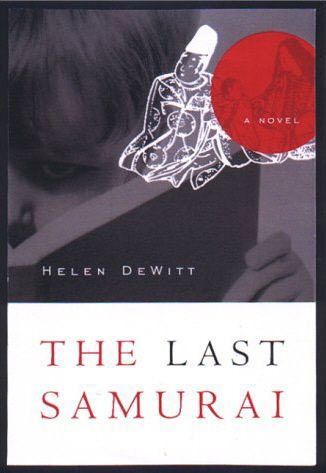
The Last Samurai, by Helen DeWitt (September 20, 2000)
Ask a set of writers and critics to select books for a new canon, and it shouldn’t come as a shock that the one most of them name is a novel about the nature of genius. It is also, more precisely, a novel about universal human potential.
Like many epics, Helen DeWitt’s The Last Samurai charts the education of its hero and proceeds by means of a quest narrative. A boy undertakes rigorous training and goes in search of his father. What makes it a story of our time is that the boy lives in an insufficiently heated London flat with a single mother. What makes it singular is that his training begins at age 4, when he starts to learn ancient Greek, before quickly moving on to Latin, Hebrew, Arabic, Japanese, Finnish, etc. That’s not to mention his acquisition of mathematics, physics, art history, music, and an eccentric taste for tales of world exploration.
Is this boy, Ludo, a genius? Sibylla, his mother, is of two minds about it. She recognizes that she’s done something out of the ordinary by teaching the kid The Iliad so young, following the example of J.S. Mill, who did Greek at age 3. She knows he’s a “Boy Wonder” and she encourages him in every way to follow his omnivorous instincts. But she also believes that the problem with everybody else — literally everybody else — is that they haven’t been properly taught and have gone out of their way, most of the time, to avoid difficult things, like thinking. Otherwise we’d be living in a world of Ludos.
So a novel that appears on the surface to be elitist — concerned as it is with great works of art, scientific achievement, and excellence generally — is actually profoundly anti-elitist at its core. DeWitt’s novel is infused with the belief that any human mind is capable of feats we tend to associate with genius. But the novel’s characters, especially Sibylla, are aware that youthful talent can be thwarted at any turn. She knows it happened to her parents — a teenage-whiz father who was accepted to Harvard but made to go to seminary by his Christian father; and a musical prodigy mother who never went back to Juilliard for a second audition — and to herself. Whatever the world had in store for Sibylla changed forever the night Ludo was conceived.

Χέρμαν Μέλβιλ «Πιέρ ή Οι αμφισημίες», μετάφραση: Σοφία Αυγερινού, εκδόσεις Μάγμα 2026

Γράφει ο Θεόδωρος Γρηγοριάδης  «Ας αφήσουμε την αμφίσημη πορεία των γεγονότων να αποκαλύψει την ίδια την αμφισημία τους» (σελ. 310) Νέος, κα...