Τετάρτη 31 Μαρτίου 2021

International Booker Prize longlist


Ανακοινώθηκε η μεγάλη λίστα για το φετινό International Booker Prize, δέκατρεις τίτλοι από 125 που υποβλήθηκαν.

Το πρώτο της λίστα, του David Diop κυκλοφορεί από τις εκδόσεις ΠΟΛΙΣ, "Τη νύχτα όλα τα αίματα είναι μαύρα".

  • At Night All Blood is Black, by David Diop, tr. Anna Mocschovakis

  • The Dangers of Smoking in Bed, by Mariana Enríquez, tr. Megan McDowell

  • The Employees, by Olga Ravn, tr. Martin Aitken

  • I Live in the Slums, by Can Xue, tr. Karen Gernant and Chen Zeping

  • In Memory of Memory, by Maria Stepanova, tr. Sasha Dugdale

  • An Inventory of Losses, by Judith Schalansky, tr. Jackie Smith

  • Minor Detail, by Adania Shibli, tr. Elisabeth Jaquette

  • The Pear Field, by Nana Ekvtimishvili, tr. Elizabeth Heighway

  • The Perfect Nine, by Ngũgĩ wa Thiong'o, translated by the author

  • Summer Brother, by Jaap Robben, tr. David Doherty

  • The War of the Poor, by Éric Vuillard, tr. Mark Polizzotti

  • When We Cease to Understand the World, by Benjamín Labatut, tr. Adrian Nathan West

  • Wretchedness, by Andrzej Tichý, tr. Nichola Smalley

Δευτέρα 29 Μαρτίου 2021

Η πρώτη ταινία της Susan Sontag


Η πρώτη ταινία της Σούζαν Σόνταγκ, "Ντουέτο για κανίβαλους", γυρίστηκε στην Σουηδία το 1969 και έκανε πρεμιέρα στο φεστιβάλ των Κανών. Γκοντάρ και Μπέργκμαν οι φιλμικές της επιρροές αλλά θεματικά κυριαρχούν εκείνα που την απασχόλησαν στα γραπτά της: η γλώσσα, η έλλειψη/αποτυχία επικοινωνίας, η χειραγώγηση, η εξουσία και η αδυναμία στις ανθρώπινες σχέσεις, οι ταυτότητες και οι ρόλοι. 

Τη βρήκα στο Netflix ανάμεσα σε δεκάδες αποκατεστημένες ψηφιακά Σουηδικές ταινίες. Αν ψάξει κανείς βρίσκει κι άλλα διαμαντάκια ειδικά τις ταινίες του Μπο Βίντερμπεργκ όπως το "Καροτσάκι", "Αγάπη 65".  


Κυριακή 28 Μαρτίου 2021

Carolin Emcke "Ο δικός μας πόθος".


Διάβασα πρόσφατα το βιβλίο της Carolin Emcke "Ο δικός μας πόθος" (Πόλις 2021). Ένα αφήγημα δοκιμιακό, εξομολογητικό, φιλοσοφικό. Πάνω στην ερωτική επιθυμία και την διαφορετικότητα, πάνω στην ελευθερία να είσαι αυτό που πραγματικά επιθυμείς. Λεσβία η ίδια, γκέι, γυναίκα που επιθυμεί τις  άλλες γυναίκες, έδωσε τη μάχη της να αυτοπροσδιοριστεί ανάμεσα σε άλλες και άλλους, ταξιδεύοντας σε όλο τον κόσμο, εντοπίζοντας τη "σκλαβιά" της επιθυμίας στην Μέση Ανατολή, την μη -παραδοχή της ομοφυλοφιλίας αλλά και την συγκρατημένη αποδοχή της δυτικής αντίληψης για κάθε παρεκκλίνουσα συμπεριφορά ή καταγωγή.

Ένα θαρραλέο κείμενο, τολμηρό χωρίς βεβιασμένη προκλητικότητα, θεωρητικό χωρίς την αβατότητα της gender ορολογίας, εδώ και η Τζούντιθ Μπάτλερ, εδώ και ο Ντάνιελ Μέντελσον. Κατά την διάρκεια της ανάγνωσης ερχόταν στο μυαλό  μου ο Μέντελσον με ένα δικό του βιβλίο "The Elusive embrace. Desire and the riddle of identity" (2000) όπου διαπραγματευόταν ορισμένα από τα θέματά της Έμκε. Προς επιβεβαίωση της "υποψίας" μου η ίδια στην σελίδα 272 βάζει έναν αστερίσκο που παραπέμπει στις σημειώσεις του τέλους στο βιβλίο του Μέντελσον ο οποίος είχε αντλήσει στοιχεία από την κλασική αρχαιότητα.

Πάντως το βιβλίο της Έμκε είναι μια γλυκιά ανάφλεξη στον εγκέφαλο και στην επιθυμία και μακάρι να εισαγόταν στην Τρίτη Λυκείου και στα Πανεπιστήμια πριν καούν τα όμορφα νεανικά μυαλά από τα κινητά και τα ριάλιτι. 


Σάββατο 27 Μαρτίου 2021

Ποιος θα μεταφράσει το ποίημα;


Άλλο ένα κείμενο με αφορμή την Amanda Gorman, το ποίημα που ακούστηκε στην τελετή του Μπάιντεν και το χρώμα του μεταφραστή που προέκυψε σε κάποιες χώρες όταν θέλησαν να το μεταφράσουν ειδικά στην Ολλανδία και όχι μόνον.  Όμως όλα αυτά συμβάλλουν σε μια επικίνδυνη πολιτικοκοινωνική ορθότητα που παρεμβάλλεται και σε λάθος σημεία. 

Στην Γερμανία συνεργάστηκαν τρεις μεταφράστριες (βλέπε φωτό), μια μαύρη, μια λευκή και μια μουσουλμάνα Τουρκάλα για να αποδοθεί!

Στο επίμαχο άρθρο γίνεται αναφορά και στην Ελλάδα:

"Irene Christopoulou, an editor at Psichogios, the poem’s Greek publisher, was still waiting for approval for its choice of translator. The translator was a white “emerging female poet,” Christopoulou said in an email. “Due to the racial profile of the Greek population, there are no translators/poets of color to choose from,” she added".


Τρίτη 23 Μαρτίου 2021

Λογοτεχνική ηθικολογία


Ένα ψύχραιμο άρθρο για την λογοτεχνική ηθικολογία που ξεκίνησε από τα βιβλία των εφήβων και απειλεί ευρύτερα την λογοτεχνία.

Το θέμα είναι αρκετά γνωστό, αλλά θέλει προσοχή, μην παρασυρθούν κάθε φυλή/εθνότητα ή μειονοτική ομάδα απειλώντας με λογοκρισία όχι μόνον όσα βιβλία έχουν εκδοθεί ως τώρα αλλά και όσα αναστέλλονται για έκδοση για τον φόβο των νεοηθικολόγων της λογοτεχνίας. Η λογοτεχνία δεν βάδισε ποτέ με κανόνες και πάντοτε κρίθηκε στο χρόνο από τον δικό της Κανόνα και από τους αναγνώστες και όχι από τις εποχιακές τάσεις πολιτικής ορθότητας. 


Εδώ ολόκληρο το άρθρο:

https://www.persuasion.community/p/beware-of-books

Απόσπασμα:

There’s nothing new about the denunciation of ideas and authors in the name of morality. It’s a power that has always been used by those seeking to assert cultural dominance.

Two thousand years before the advent of mass print publishing, Socrates was sentenced to drink poison for having polluted the minds of the YA community of Athens. From the mid-16th century until 1966, the Catholic Church maintained its Index Librorum Prohibitorum, a list of prohibited books. Over the past century, the establishment used anti-obscenity laws to ban Ulysses and Lady Chatterley’s Lover. Norman Mailer couldn’t depict soldiers cursing in his World War II novel The Naked and the Dead because it would be “obscene.” The likes of Native Son and One Flew over the Cuckoo’s Nest were stricken from school curricula for their political subversiveness and perceived vulgarity. Meanwhile, all totalitarian states suppress transgressive writing, sometimes trying to do so across borders, as when Ayatollah Khomeini of Iran issued his fatwa against Salman Rushdie’s The Satanic Verses in 1989.

When I was growing up in the 1980s and ’90s, the social conservatives of the Moral Majority patrolled the virtue of the American reading public. They were especially exercised by the subject of witchcraft and sorcery, and found a nemesis in Harry Potter. Some organized public burnings of J.K. Rowling’s books. Such right-wing censoriousness hasn’t disappeared: Conservative attacks on literature are still common with respect to books for young people that present LGBTQ characters and themes in a positive light.

What is new, though, is the trend of policing books for social goodness from within the left-leaning literary community—the very people whom we entrust to steer the course of our artistic and intellectual culture.

Those currently burning Rowling’s books aren’t the religious right but members of the progressive left, angered by her comments about gender and trans issues. Numerous articles have asked if it still is permissible in good conscience to enjoy not only Harry Potter, but Rowling’s latest adult detective thriller, Troubled Blood. Reviewers have scoured the text for signs of her alleged transphobia, many noticing that one character, as a Los Angeles Times reviewer pointed out, is “a male serial killer known to have worn a dress.”

“Is that enough to say the author is transphobic?” the reviewer asked, citing various elements in the novel. “Perhaps.” A better question is this: Is it the role of a book reviewer to parse texts for insight into an author’s morality? It’s not far from looking for satanic messages in rock ‘n’ roll. And even if heavy-metal songs were rooting for the devil, should people have been prevented from hearing them?

This new literary moralism isn’t only scrutinizing contemporary writing for evidence of sin; it’s looking to the past as well. #DisruptTexts, a group dedicated to helping teachers “challenge the traditional canon,” talks of “problematic depictions” in Shakespeare, and complains of The Great Gatsby being defined by the white male gaze. If applied fully, that objection would wipe out innumerable works of literature—including many containing moral messages that progressives would endorse.

Does the canon of classics suffer from a lack of diversity? Absolutely. But canons expand with each generation. We don’t simply let old works drop off the back end. And a canon includes books not because they are virtuous, but because they are in complex conversation with one another, or are mighty in their own terms. Writers who broke the canonical color barrier—from W.E.B. Du Bois to Toni Morrison—didn’t do so by tearing up what came before, but by asserting that they too had a place in that long conversation.

Even literary traditionalists like Harold Bloom often had more expansive views than activists like those at #DisruptTexts might give them credit for. As the National Book Award-winner Andrew Solomon wrote after Bloom’s death, the critic “admired the work of Toni Morrison, Chinua Achebe and other writers of color; and to say that someone who lionized Hart Crane, Walt Whitman, Elizabeth Bishop and Tony Kushner was ignoring LGBT voices seems at best perilously naïve.”

One point that nearly all of these controversies, cancellations, and critical analyses share is that they are ostensibly seeking justice, particularly concerning race. Bigotry and related social ills are worth serious attention. But treating literature according to political goals—and doing so in fear of a righteous online mob—devalues art in meaningful ways. It makes writers fearful of exploring perspectives outside simplistic definitions of their own identity, or of inhabiting morally complex characters or themes. And it diminishes the prospects of the reader too, restricting the scope of books to narrow conceptions of power and privilege.

If we expect literature to fix social problems, we wrongly imagine it as a wrench that might twist the world into a more pleasing position. This is to misunderstand art, which challenges and expands our sense of the world, rather than simplifying it. Art forces us to see with complexity. In return, we must accept that no easy solution awaits. Profound writing is never just an answer.

None of this is to say that the inequities of our time can’t be addressed by other means—through economics and elections, through debate and compromise. But we must ask ourselves: Is this frenzy for censure, moralizing, and a seemingly endless expansion of the definition of harm, how we’ll correct current disparities and historical wrongs? Is this how we intend to talk about art from now on? Which is to say, we’d just talk politics, and hardly mention art at all.


Otis Houston lives in Portland, Oregon. His writing on books and culture can be seen at the Los Angeles Review of Books.

Κυριακή 21 Μαρτίου 2021

Τρία βιβλία για τον Φίλιπ Ροθ


Ολική επαναφορά με τρία βιβλία για τον Ροθ. Με αφορμή τα βιβλία αυτά ο κριτικός Michael Gorra γράφει ένα εξαιρετικό άρθρο "Philip’s Theater" 

Philip Roth: The Biograph by Blake Bailey

Norton, 898 pp., $40.00

Here We Are: My Friendship with Philip Roth by Benjamin Taylor

Penguin, 171 pp., $26.00

Philip Roth: A Counterlife by Ira Nadel

Oxford University Press, 546 pp., $29.95

https://www.nybooks.com/articles/2021/04/08/philip-roth-biography-theater/

Απόσπασμα:

"Ι don’t want you to rehabilitate me. Just make me interesting.” Philip Roth died three years ago, on May 22, 2018, and those instructions to his biographer provide Blake Bailey with his epigraph. Yet how can we take him at his word? Roth believed the facts had to be set straight, the truth laid out, and the public disabused of what it thought it already knew. He wasn’t a self-hating Jew, as some of his first critics had argued, and unlike his character Nathan Zuckerman he hadn’t suffered a father’s deathbed curse or been cast out of the family for writing a scandalous best seller. He wasn’t as one with Portnoy, and people also needed to know that he wasn’t the monster of selfishness Bloom had described in her preemptive memoir, Leaving a Doll’s House (1996). He wasn’t his characters; nor was he the character he’d been made out to be. Ensuring that the record was straight meant, however, that he had to control the narrative, even though he also knew that human life was all about getting things wrong, and wrong again, and other people in particular.

Roth was eighty-five when he died, and had published his last novel, Nemesis, about a 1944 polio outbreak in his native Newark, in the fall of 2010. Two years later he let the news slip that he considered himself retired. There would be no new fiction, though he continued to supervise the ten-volume Library of America edition of his work, which appeared under the nominal editorship of Ross Miller, a University of Connecticut professor who had once been his friend. Yet Miller too was now one of those who needed to be put right. Roth had made him his biographer, but around the start of 2010 he took the job away, troubled by Miller’s failure to make much progress, to interview the older friends who had begun to die. What especially disturbed him, though, was the line of questioning Miller had begun to adopt. He found it traitorous in its sympathy for Bloom, and in retirement wrote several hundred pages of what he called “Notes on a Slander-Monger” in rebuttal. He also left a few hundred more of “Notes for My Biographer,” a point-by-point response to Bloom’s memoir. Neither manuscript has been published, and they now rest under a thirty-year embargo".


Τετάρτη 17 Μαρτίου 2021

French-American Foundation Translation Prize finalists

We are delighted to announce the 34th Annual Translation Prize finalists, a group of ten exceptional English translations of French works of fiction and nonfiction.

FICTION

Jordan Stump’s translation of Igifu by Scholastique Mukasonga
Archipelago Books

Mark Polizzotti’s translation of Invisible Ink: A Novel by Patrick Modiano
Yale University Press


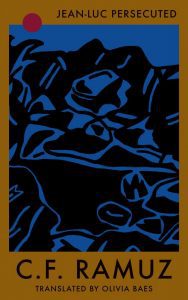
Olivia Baes’s translation of Jean-Luc Persecuted by Charles Ferdinand Ramuz

Deep Vellum

Natasha Lehrer’s translation of The Last Days of Ellis Island by Gaelle Josse
World Editions


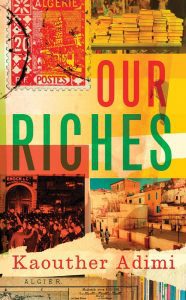
Chris Andrews’s translation of Our Riches by Kaouther Adimi

New Directions

NONFICTION

Catherine Porter’s translation of Denaturalized: How Thousands Lost their Citizenship and Lives in Vichy France by Claire Zalc
Belknap Press of Havard University Press


Jody Gladding’s translation of Finding Dora Maar: An Artist, an Address Book, a Life by Brigitte Benkemoun

Getty Publications


Willard Wood’s translation of Machiavelli: The Art of Teaching People What to Fear by Patrick Boucheron
Other Press


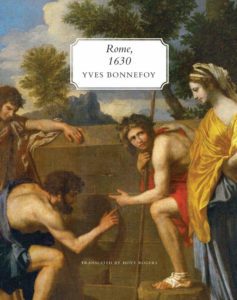
Hoyt Rogers’s translation of Rome, 1630: The Horizon of the Early Baroque, Followed by Five Essays on Seventeenth-Century Art by Yves Bonnefoy

Seagull Books


Laura Marris’s translation of Those Who Forget: My Family’s Story in Nazi Europe– A Memoir, A History, A Warning by Geraldine Schwarz

Scribner, a division of Simon & Schuster

Δευτέρα 15 Μαρτίου 2021

"Can’t Get You Out of My Head"


Σειρές μυθοπλασίας δεν βλέπω πια αλλά αυτή την συνταρακτική σειρά ντοκιμαντέρ των 6 επεισοδίων, που παίχτηκαν στο ΒBC, κάθισα και την είδα το διήμερο και ταρακουνήθηκα.  Δυστυχώς στο Youtube δεν υπάρχουν ελληνικοί υπότιτλοι. Ίσως παιχτεί και στην ελληνική ΕΡΤ αν και τέτοια ντοκιμαντέρ είναι "ακατάλληλα" γιατί ενοχλούν όχι μόνον πολιτικά κινήματα αλλά και συστήματα γενικά-παντού.

Ο Dimitris Politakis πάντως τα γράφει στη @LIFO (https://www.lifo.gr/.../cant-get-you-out-my-head-h-nea...):

"Και πριν από λίγο καιρό, στα μέσα του περασμένου μήνα, έκανε την εμφάνισή του (αρχικά στο BBC και αμέσως μετά στο κανάλι του Adam Curtis στο YouTube, ελεύθερο για όλους) το πιο επικό ίσως μεγαλούργημα του Βρετανού «κινηματογραφιστή» (ο ίδιος προτιμά την ιδιότητα του δημοσιογράφου ή του ιστορικού) με γενικό τίτλο Can’t Get You Out of My Head και υπότιτλο, ούτε λίγο ούτε πολύ, «Μια συναισθηματική ιστορία του σύγχρονου κόσμου». Χωρισμένη σε έξι επεισόδια-κεφάλαια. που ξεπερνούν σε διάρκεια τις οχτώ ώρες (νεράκι περνάνε εφόσον μπεις στο τριπ), η σειρά «αφηγείται το πώς φτάσαμε στις παράξενες μέρες που βιώνουμε τώρα και το γιατί τόσο οι κατέχοντες την εξουσία όσο και εμείς δυσκολευόμαστε τόσο πολύ να συνεχίσουμε». 

Όπως και σε άλλα έργα του Κέρτις, το κρίσιμο ερώτημα μοιάζει να είναι το εξής: Πώς βρεθήκαμε να ζούμε σ’ αυτή την (ψυχοσυναισθηματική, κοινωνική, γεωπολιτική) κατάσταση, στοιχειωμένοι από τα φαντάσματα του παρελθόντος, σε μια κοινωνία που ενώ έχει σχεδιαστεί με άξονα την ατομικότητα, τα άτομα βιώνουν όλο και μεγαλύτερη αβεβαιότητα, αγωνία, επισφάλεια;

Παρασκευή 12 Μαρτίου 2021

To Παρτάλι και τα καρναβάλια


Miss Partales!


«Μ’ ανάγκασαν να είμαι ένα καρναβάλι. Την Καθαρή Δευτέρα στο χωριό έκαναν παρέλαση τα γκουλιάρια, έτσι τα λέγαμε. Έβγαιναν οι αρσενικοί κι έτρεχαν γυμνοί, με τις τσάπες και τις τσουγκράνες στα χέρια. Εγώ καθόμουν απ’ έξω, με τα κορίτσια και τις γυναίκες. Τσίριζαν και γελούσαν με τους ξεβράκωτους. Εγώ έκλαιγα τις Απόκριες, γιατί όλο τον χρόνο ήμουν καρνάβαλος. Θυμάμαι, μια φορά ντύθηκα με αντρικά ρούχα και πήγαμε ντυμένες εγώ, η Αλόη κι η Φρειδερίκη σε κάτι γείτονες. Αμέσως με κατάλαβαν πέθαναν από τα γέλια. Δε τους ξεγέλασα. Αχ, τώρα γελάω κι εγώ…

Με ανάγκασαν να είμαι κορίτσι. Δεν είχα γεννηθεί κοπέλα, μα την Παναγιά, believe me, ήμουν δεκατέσσερα και έβλεπα mixed όνειρα. Έκανα έρωτα με κορίτσια που ντύθηκαν αγόρια. Μπέρδευα τα sex. Μια νύχτα ξικατ’ρήθ’κα, πήγα να αλλάξω βρακί, το λέρωνα συνέχεια…να το κλάμα εγώ».


(Σελ. 440: μιλάει το «Παρτάλι»)

Τετάρτη 10 Μαρτίου 2021

Philip Roth and the “Writers from the Other Europe” Series

Πώς ο Φίλιπ Ροθ ανέδειξε ως editor συγγραφείς της Κεντρικής Ευρώπης την περίοδο 1976-1983. 

Ανέθεσε τις εισαγωγές σε άλλους διάσημους συγγραφείς. Η λίστα των 17 βιβλίων, που παρατίθεται στο τέλος, είναι εκπληκτική. 

Covers from the Writers from the Other Europe series

In the spring of 1972, fascinated by the life and work of Franz Kafka, Philip Roth decided to visit Prague. He returned the following year to see how writers were managing to work under “conditions that were utterly alien to my own writing experience.” In preparation, he read as much as he could find of the work of contemporary Czech writers. He met and became friends with several writers, which led him to look for works in English translation by novelists working throughout Eastern Europe — still behind the Iron Curtain — since the end of World War Two.

from this, he was able to interest Penguin Books in starting a series of reprints called “Writers from the Other Europe,” for which he served as general editor. Between 1976 and 1983, the series published a total of 17 books, starting with Kundera’s Laughable Loves and Ludvík Vaculík’s The Guinea Pigs. As Roth wrote,

The purpose of this paperback series is to bring together outstanding and influential works of fiction by Eastern European writers. In many instances they will be writers who, though recognized as powerful forces within their own cultures, are virtually unknown in America. It is hoped that by reprinting selected Eastern European writers in this format and with introductions that place each work in its literary and historical context, the literature that has evolved in “the other Europe” during the postwar decades will be made more accessible to an interested American readership.

Roth’s reputation and significant network of contacts enabled him to get an impressive range of authors to write introductions. Contributors included Carlos Fuentes, Irving Howe, Joseph Brodsky, Heinrich Boll, Angela Carter, Czesław Miłosz, Leszek KołakowskiJan Kott, John Updike, Josef Škvorecký.

Advertisement for the Writers from the Other Europe
Penguin ad announcing the “Writers from the Other Europe” series.

In most cases, the books had already been published in English translations, usually by academic presses. Schulz’s The Street of Crocodiles, for example, had been published in Michael Kandel’s translation by Walker and Company in 1963; Konwicki’s Dreambook was published by the MIT Press in 1969; neither attracting any real notice.

Among other things, the effort led to the discovery of the work of the Polish writer Bruno Schulz after the publication in 1977 of his two books, The Street of Crocodiles and The Sanatorium Under the Sign of the Hourglass. When Roth learned that Isaac Bashevis Singer had been one of the few to review The Street of Crocodiles when it was originally published in 1963, he contacted Singer and the two men had a long conversation about Schulz that was later reprinted in the New York Times. Singer confessed to Roth,

The more I read Schulz — maybe I shouldn’t say it — but some of the stories, when I read him, I said he’s better than Kafka. There is greater strength in some of his stories. Also he’s very strong in the absurd — though not in a silly way, but in a clever way. I would say that between Schulz and Kafka there is something that Goethe calls Wahlverwandtschaft, an affinity of souls which you have chosen for yourself.

Cynthia Ozick, who went on to write a novel (The Messiah of Stockholm) based on the rumor that Schulz, who was killed in the Holocaust, had been survived by a son who himself became a writer. Ozick called Schulz one of “the most original imaginations in modern Europe’; John Updike, who wrote the introduction to The Sanatorium Under the Sign of the Hourglass, rated Schulz as “one of the great writers, one the great transmogrifiers of the world into words.” Jerzy Kosinski initiated an annual literary prize in Schulz’s name, to be awarded by a PEN American Center jury to a writer considered “insufficiently known.”

Covers from the Writers from the Other Europe series

Long after the series ended, its reputation lived on. In 1993, Herbert Mitgang called it “indispensable.” In their New York Times “By the Book” interviews, both William Vollmann and Nicole Krauss mentioned it. Vollmann singled out Konwicki’s A Dreambook for Our Time as an “underappreciated masterpiece,” “one of the many treasures from the late, lamented” series. Krauss said, “I’m a suck for that entire ‘Writers from the Other Europe’ series that Penguin and Philip Roth published in the ’70s and ’80s.”

Even better, virtually all of the books are still in print nearly 40 years later — in a few cases, from Penguin itself.

The 17 titles in the “Writers from the Other Europe” series are:

  • The Guinea Pigs, by Ludvík Vaculík
  • Ferdydurke, by Witold Gombrowicz
  • The Joke, by Milan Kundera
  • The Farewell Party, by Milan Kundera
  • The Book of Laughter and Forgetting, by Milan Kundera
  • Laughable Loves, by Milan Kundera
  • The City Builder, by George Konrád
  • The Case Worker, by George Konrád
  • The Polish Complex, by Tadeusz Konwicki
  • A Dreambook for Our Time, by Tadeusz Konwicki
  • A Tomb for Boris Davidovich, by Danilo Kiš
  • Ashes and Diamonds, by Jerzy Andrzewjewski
  • Closely Watched Trains, by Bohumil Hrabal
  • This Way for the Gas, Ladies and Gentlemen, by Tadeusz Borowski
  • Sanatorium Under the Sign of the Hourglass, by Bruno Schulz
  • The Street of the Crocodiles, by Bruno Schulz
  • Opium and Other Stories, by Géza Csáth

Τρίτη 9 Μαρτίου 2021

Η αποκαθήλωση του Χάρολντ Μπλουμ


Μετά τον θάνατο του Χάρολντ Μπλουμ κυκλοφόρησαν δύο ογκώδη έργα του που ανακεφαλαιώνουν τις απόψεις του και τις εμμονές του μετά τον Δυτικό Κανόνα. 

Ωστόσο μια νεότερη γενιά κριτικών και συγγραφέων έχει αρχίσει να αμφισβητεί τον Κανόνα του. 

Πολύ ενδιαφέρον το εκτενές άρθρο στο LARB του Ignacio M. Sánchez Prado με σημαντικές αναφορές στην λογοτεχνία της Λατινικής Αμερικής που τόσο παραμερίστηκε από τον Αμερικανό κριτικό. 

Αξίζει να διαβαστεί ολόκληρο το άρθρο που καταλήγει ως εξής:

Reading Taking Arms and The Bright Book of Life, I came to the conclusion that, while he was meaningful to me and to the literary world in which I became a scholar, Bloom did not quite deserve the Reyes Prize. His work is eclipsed by the vast intellectual domains covered by many of its most illustrious winners, from Borges or the great French Hispanist Marcel Bataillon to the essayist and librarian Alberto Manguel and the Spanish classicist Carlos García Gual, who received the award in 2020. Reyes was expansive and generous. Even if he worked within a Eurocentric understanding of Western culture that is not as acceptable in this day and age, he played a very significant role in the development of Latin American literature as it rose to international status. Without Reyes, Latin American literature would not have galvanized in the same way as it did right after his passing in 1959. Reyes was nominated five times to the Nobel Prize and was widely thought to be a likely recipient. He never achieved the place in world literature that would match his own commitment to the world at large.

In his most famous essay, “Notes on the American Intelligence” (“American” meaning Latin American), Reyes told an audience of international thinkers gathered in Buenos Aires that it was time for Latin Americans to become recognized in their universal cultural citizenship. He also said that Latin Americans were the true internationalists since we were knowledgeable both in European culture and our own, while even the most educated thinkers of Europe and the United States lacked basic knowledge of our literature and culture. This is the quip that, as his constant Mexican reader, I can raise against Bloom, after years of reading him with dedication: he was never the cosmopolitan that we took him to be. His final two books are a lovely and unmistakable testament to this. Which is, I guess, the reason why Reyes became my model in the end.

I will never stop reading Bloom, nor constrain myself to the silo of my Mexicanist career. I will never recommend anyone to not read him, or any other major critic for that matter. My anxious completionism will not allow me to stop reading or owning all of his books. Thanks to Take Arms and The Bright Book, I remembered once again that Bloom’s work, after so many pages, is only a province, a beautiful and narrow one, of the worldly culture that a Latin American reader like me can choose to own and inhabit. But it is a province I am always happy to revisit".

Δευτέρα 8 Μαρτίου 2021

Σουηδικά σινεφίλ στο Netflix


 Δύο Σουηδικά ασπρόμαυρα διαμαντάκια από το Netfix. H 9΄ταινία μικρού μήκους στηρίζεται σε διήγημα του  Στιγκ Ντάγκερμαν του 1948 και η μεγάλη μήκους είναι μία από τις καλύτερες του Μπο Βίντεμπεργκ, "Το καροτσάκι".


Πληθώρα ταινιών από την Σκανδιναβία, όλες ψηφιακά αποκαταστημένες για αυτό και τις αγοράζει με ... φορτηγό το Neflix προκειμένου να έχει υλικό. Ανάμεσά τους υπάρχουν πολλές καλές και σίγουρα καλύτερες από τις πανομοιότυπες μακρόσυρτες... σειρές. 

Κυριακή 7 Μαρτίου 2021

Ίντιθ Γουόρτον


Τι το κοινό έχουν αυτά τα τρία βιβλία;

Πρόκειται για το ίδιο σύντομο μυθιστόρημα της Ίντιθ Γουόρτον, Ethan Frome, που είναι το όνομα του βασικού ήρωα της ιστορίας.

Δεν αλλάζουμε τίτλους ειδικά όταν φέρουν το όνομα κάποιου χαρακτήρα.

Η ιστορία πάντως είναι πολύ δυνατή και βίαιη και διδάσκεται στα κολέγια της Αμερικής χρόνια τώρα. Δεν κρίνω τις μεταφράσεις γιατί διάβασα το βιβλίο στα αγγλικά για να΄μαι πιο...σίγουρος.

Παρασκευή 5 Μαρτίου 2021

Το καινούργιο μυθιστόρημα του Καζούο Ισιγκούρο

Καινούργιο μυθιστόρημα από τον Καζούο Ισιγκούρο. Μόλις κυκλοφόρησε και ήδη γράφτηκαν πολλές κριτικές. Δεν τις διαβάζω, δεν μου αρέσει αυτή η τακτική να προηγούνται σχεδόν της έκδοσης.

Προς το παρόν τον διαβάζω στο Kindle, αργότερα και στην  αγγλική χαρτόδετη έκδοση. Άλλωστε είναι από τους λίγους αγγλόφωνους που τους διαβάζω Ό,ΤΙ και αν γράφουν (Είναι καμιά δεκαριά όλοι κι όλοι). Επίσης βάσει του αρχείου μου νομίζω ότι για πρώτη φορά έγραψα γι αυτόν στην Ελλάδα και τον παρουσίασα στα λογοτεχνικά σεμινάρια της Βιβλιοθήκης των Σερρών 2 φορές πριν καν πάρει το Νόμπελ.

Πέμπτη 4 Μαρτίου 2021

Robert Penn Warren διαβάζει το ποίημά του Tiberius On Capri


Το 1939, ο Ρόμπερτ Πεν Γουόρεν καθώς στάθηκε στη βόρεια άκρη του Κάπρι κοιτάζοντας τη θάλασσα προς την μεριά της Ευρώπης, διαισθάνθηκε ότι σύντομα ο κόσμος θα βυθιζόταν στον όλεθρο του πολέμου.  Ήδη το νησί αυτό υπήρξε ένας τόπος της βαρβαρότητας. Εδώ, ο Τιβέριος, ο Ρωμαίος αυτοκράτορας, ξεπέρασε με τις πράξεις του ακόμη και την παρακμή της αυτοκρατορίας του. Ο Γουόρεν ένιωθε αβοήθητος. Πέταξε μια πέτρα στα σκοτεινά νερά, ήταν το μόνο που μπορούσε να κάνει. Χρόνια αργότερα, έγραψε ένα ποίημα για εκείνη τη νύχτα, το «Tiberius on Capri»: πώς να αντιδράσεις ένας άνθρωπος μπροστά σε έναν κόσμο στον οποίο είναι αβοήθητος να αλλάξει τα πράγματα; Το ποιητικό του έργο έχει το ίδιο εύρος με το μυθοπλαστικό.  
Εδώ απαγγέλει το ποίημα που εμπνεύστηκε από το πέρασμά του στην Ευρώπη. 

Δευτέρα 1 Μαρτίου 2021

Graham Greene and Robert Penn Warren on Capri


Λέγεται ότι στο Κάπρι δεν βρίσκεις στα βιβλιοπωλεία μυθιστορήματα του Graham Greene ούτε στα ιταλικά ούτε στα αγγλικά. Ωστόσο μόλις ζητήσεις το βιβλίο της Shirley Hazzard “Greene on Capri” (2000) αμέσως θα σου το δώσουν. Το βιβλίο είναι σύντομο, γεμάτο αναμνήσεις από την παρέα τους, δεν άρεσε στην τελευταία φιλενάδα του Green με την οποία η Shirley δεν τα πήγαιναν και τόσο καλά. ΄Ηδη η ταινία “Affairs on Capri (2021) που ολοκληρώθηκε σε σκηνοθεσία και σενάριο Paul Wiffen παρουσιάζονται μερικά από αυτά τα περιστατικά.

Τα δύο φιλικά ζευγάρια τρώγανε στο ίδιο εστιατόριο χρόνια, το Gemma, ένα πολύ απλό παραδοσιακό μαγαζί, εκεί γνωρίστηκαν. Ο Greene είχε ένα μικρό εξοχικό. Η Αυστραλέζα συγγραφέας Shirley Hazzard πήγαινε πάντα με τον άντρα της, τον Francis Steegmuller (1906 – 1994) Αμερικανό βιογράφο, συγγραφέα και μεταφραστή με μελέτες και μεταφράσεις στον Φλωμπέρ. Στους περιπάτους τους, έφταναν μέχρι την Villa Jovis που έχτισε ο αυτοκράτορας Τιβέριος. Το τοπίο ήταν υπέροχο, πηγή έμπνευσης για πολλούς καλλιτέχνες και συγγραφείς.

Greene and Catherine Walston at Anacapri (from Norman Sherry’s Life of Graham Greene)

Συχνά απήγγειλαν ποιήματα και κάποια στιγμή αναφέρθηκαν στο ποίημα του Αμερικανού συγγραφέα και ποιητή Robert Penn Warren “Tiberius on Capri”.

Όμως πώς γράφτηκε αυτό το ποίημα από τον συγγραφέα του μυθιστορήματος "Όλοι οι άνθρωποι του βασιλιά"; 


(συνεχίζεται)


Benjamín Labatut on Roberto Bolaño

  Από το PW We’re attempting to unravel the tangled web of literary influence by talking with the great writers of today about the writers o...